EM assets keep outperforming as US jobs data softens. Powell faces DOJ subpoena. Trump ordered Fannie/Freddie to buy $200bn MBS, pushing 30y yields down. Iran protests lifted oil; US shielded Venezuela funds; Argentina $3bn repo; Japan snap poll talk.
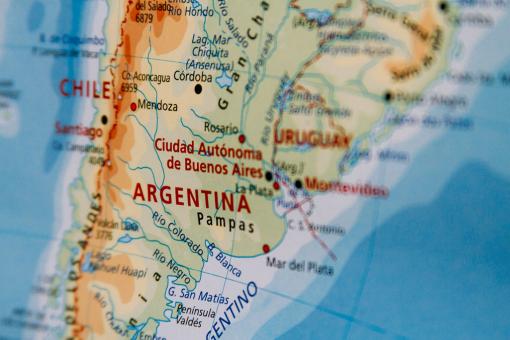
US operation in Venezuela seized Maduro; AI rally renewed. Hassett tipped as Trump’s next Fed chair. Russian crude exports hold up via Asia; Korea offers repatriation tax breaks to support won. Argentina passes Milei budget; Fitch: Ukraine up, Gabon down.
ECB held; BoE cut 25bp; BoJ hiked 25bp; Thailand/Chile/Mexico eased. US announced $11bn Taiwan arms & blocked Venezuelan oil; EU okayed €90bn Ukraine loan. Fitch/S&P upgrades; Colombia downgraded; Argentina unveiled new FX plan.
The Organisation for Economic Co-operation and Development (OECD) revised its estimate of global gross domestic product (GDP) growth higher following recent stronger than expected economic data.
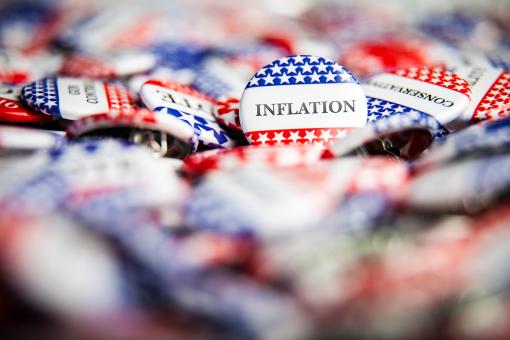
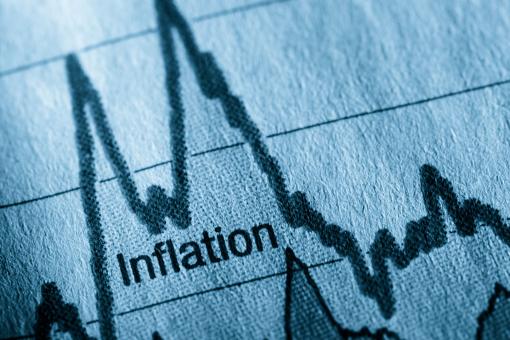
We discuss the outperformance of EM assets in May, driven by a faster vaccination pace across EM countries. We discuss inflation & explain why it is likely to remain elevated in the US throughout the rest of the year, & why it won't be a big deal for EM.
Inflation is likely to remain high in 2021. The primary source of price pressures is the rebound in commodity prices after their sharp collapse last year.
The pace of vaccinations continues to accelerate fast in Emerging Markets (EM) as China is now responsible for more than half of the world’s vaccinations.
Gustavo Medeiros, Deputy Head of Research, discusses various Emerging Markets themes. This week, we will go through the performance of EM asset prices year-to-date, discuss the latest manufacturing PMI surveys and finally discuss recent events in China.
The 2015 Paris Agreement introduced the legally binding goal of maintaining the average global temperature below the pre-industrial revolution average plus 2⁰ Celsius in order to avoid severe stress on natural and socioeconomic systems.
Emerging Markets’ (EM) central banks adopted a more orthodox monetary policy stance with Brazil, Russia and Turkey hiking interest rates by a larger magnitude than expected by the consensus.