Fed cut 25bp plus $40bn/month T-bill buys. BOE set to cut, BOJ to hike; EM MPCs in focus. $52bn tech investment in India; IMF okays $1.2bn for Pakistan. Chile elects Kast; Vietnam FDI 5y high; ratings mixed (Oman up, Hungary down).
ChatGPT said: Markets navigated rising political and geopolitical noise as Brazilian election tensions grew, the US moved toward a well-telegraphed December rate cut with a data-dependent path in 2026, and commodities threatened to disrupt disinflation.
US inflation rises higher and the policy response may come faster. Pressure regarding Ukraine increases, and oil prices continue to a boil. Local bonds out-perform dollar bonds for more reasons than one.
The Bank of England (BOE) and the European Central Bank (ECB) decisions were in line with consensus, but the tone was significantly more hawkish than consensus.
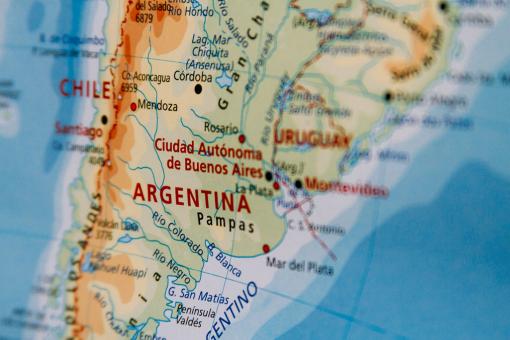
High frequency data in Emerging Markets (EM) surprised to the upside, leading to a strong increase in the Citibank Surprise Index. Argentina reached a preliminary agreement with the IMF.
Market price action signals the end of United States (US) stock market exceptionalism. Russia held cordial and constructive conversations with the US with the aim to de-escalate tensions on the Ukrainian border.
EM stocks outperformed on the back of a weaker US Dollar, reflecting the soft price action in US stocks and in spite of higher US Treasury yields. China’s real GDP growth rose +8.1% in 2021 despite mixed activity in December.
Protesters took to the street in Kazakhstan in the first week of the year, but the government has regained control of the situation after accepting support from its neighbours. Emerging Markets (EM) manufacturing PMI improved in December.
Emerging Markets (EM) have demonstrated their resilience during the greatest economic shock since the Global Financial Crisis. This was contrary to market expectations.
The global macro environment is ripe for EM assets outperformance as a combination of stronger growth in China, the end of exceptionalism in the US and less uncertainty on US interest rates, lead to a strong backdrop for EM assets.
China and Turkey eased policy rates, the first minimally, the latter repeating policy mistakes, while Chile, Colombia, Mexico, Hungary and Pakistan hiked policy rates. The centre-left candidate Gabriel Boric was elected as President in Chile.
Brazil hiked its policy rate by 150bps to 9.25%. Inflation declined in sequential terms across most EM countries, including Brazil, Russia and Central Europe, but remained under pressure in Mexico.
Chinese property markets are going through a significant slowdown that began in Q2 2021. The average slowdown in the previous episodes over the last 20 years lasted four quarters.
Most EM countries remained in a moderate expansion according to the PMI survey by Markit. Argentina and the IMF nodded to each other. The Brazilian Senate approved a constitutional amendment clearing the path for the 2022 budget.
Argentina had better fiscal numbers than expected, mostly due to creative accounting and one off factors. The 2022 presidential races start to shape up in Brazil and Colombia.
The results of the leading e-commerce Chinese companies highlight the importance of active management in EM equities. Argentina and the IMF sent positive signals towards a new agreement.
Argentina’s government coalition received only one-third of the votes in mid-term nationwide elections. Inflation rose further in Brazil as the current political-economic juncture rhymes with 2002.
The RBA, Fed and BoE flip-flopped back to a dovish stance while the CNB and NBP hiked policy rates by a larger magnitude than expected. In contrast with DM, EM central banks are ahead of the curve in the task of controlling inflation.
Manufacturing PMIs were stronger than expected in Indonesia, India, Malaysia and Thailand (snippets). The front end of global DM curves widened significantly, leading to further “bear” flattening across global yield curves (Global backdrop).